
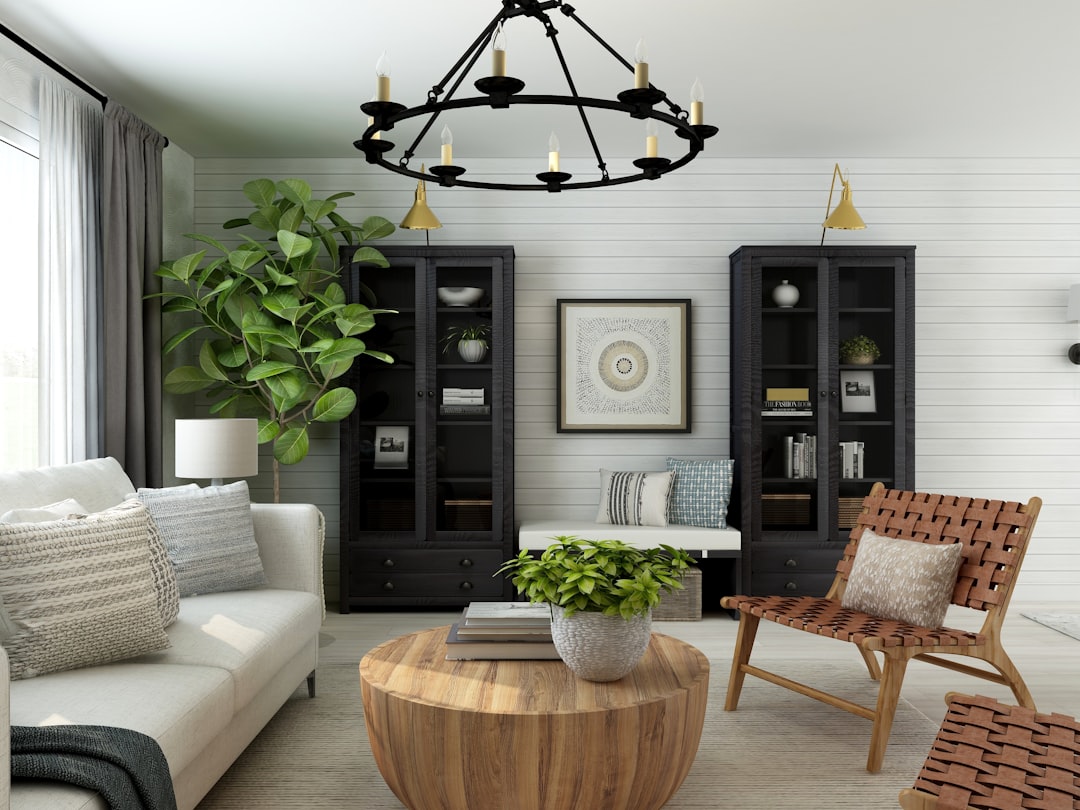
The Ultimate Guide to Mixing Textures in Home Decor

Mixing textures in home decor is an art that can transform any space into a visually appealing and inviting environment. By incorporating various materials and finishes, you can create depth and interest in your home. This guide will explore the importance of texture in interior design, how to effectively mix textures, and the emerging trends that will shape the future of home decor.
The Importance of Texture in Interior Design
Texture plays a crucial role in interior design as it adds dimension and character to a space. It can evoke emotions and create a sense of comfort or sophistication, depending on how it is used. By combining different textures, such as soft fabrics, rough surfaces, and shiny finishes, you can create a balanced and harmonious environment that reflects your personal style.
Moreover, texture can influence how a room feels. For instance, a room filled with soft textiles can feel cozy and inviting, while a space with sleek, hard surfaces may convey a more modern and minimalist vibe. Understanding the impact of texture allows you to curate a space that not only looks good but also feels good to live in.
How to Effectively Mix Textures
When mixing textures, it is essential to consider the overall aesthetic you want to achieve. Start by selecting a dominant texture that will serve as the foundation for your design. This could be a plush velvet sofa, a rustic wooden table, or a sleek metal accent. Once you have your primary texture, you can begin to layer in complementary textures that enhance the overall look.
For example, if you have chosen a leather sofa as your dominant texture, consider adding a knitted throw blanket and a woven rug to create contrast. The key is to maintain a balance between different textures while ensuring they work together cohesively. Experimenting with various combinations will help you discover what resonates with your style and enhances your space.
Emerging Trends in Texture Mixing
As we look ahead to the upcoming year, two significant trends are emerging in the world of home decor. First, the use of sustainable materials is gaining traction, with designers increasingly opting for eco-friendly textiles and finishes. This trend not only promotes environmental responsibility but also introduces unique textures that can elevate your decor.
Secondly, the blending of indoor and outdoor textures is becoming more popular. Homeowners are looking to create seamless transitions between their indoor spaces and outdoor living areas. This can be achieved by incorporating natural materials like stone and wood, which can be used both inside and outside, creating a harmonious flow throughout the home.
Practical Outcomes of Mixing Textures
Mixing textures can lead to practical outcomes that enhance both the functionality and aesthetics of your home. For instance, a well-thought-out texture scheme can improve acoustics in a room, making it more comfortable for conversation and relaxation. Soft furnishings like cushions and curtains can absorb sound, while hard surfaces can reflect it, creating a balanced auditory environment.
Additionally, the right mix of textures can also improve the visual appeal of your space, making it more inviting for guests and more enjoyable for you. By thoughtfully layering different materials, you can create focal points that draw the eye and encourage exploration of your home. This not only showcases your design skills but also creates a welcoming atmosphere that reflects your personality.
Conclusion
In conclusion, mixing textures in home decor is a powerful way to enhance the beauty and functionality of your space. By understanding the importance of texture, effectively mixing different materials, and staying ahead of emerging trends, you can create a home that is both stylish and comfortable. As we move into the next year, embrace the opportunities that come with texture mixing and let your creativity shine in your home decor.